
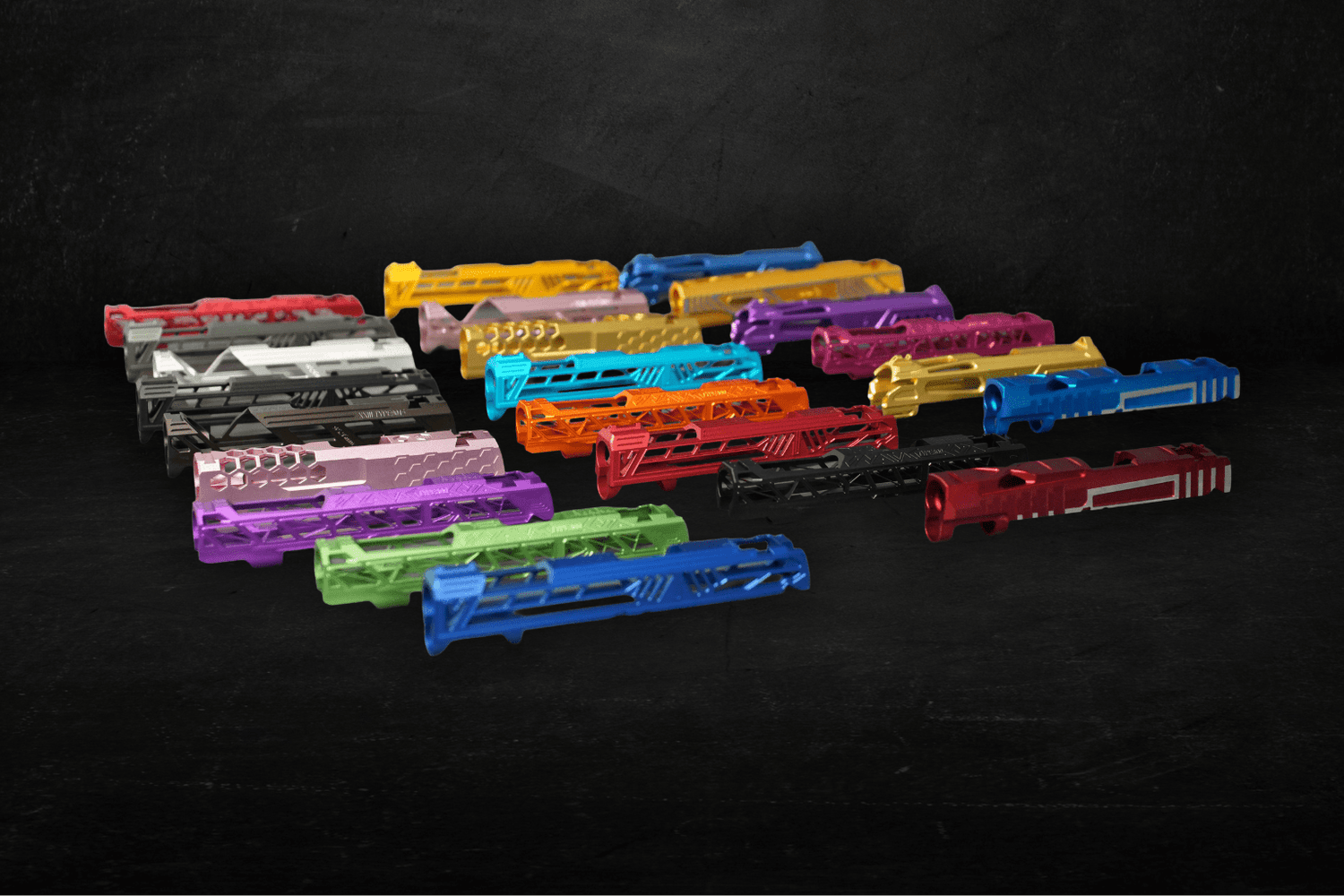
A Hi-Capa slide upgrade can make a pistol feel sharper immediately - or turn it into a gas-hungry headache if the parts list is wrong. If you are working out how to upgrade hi-capa slide performance, the real job is not just swapping the top end. It is balancing slide weight, recoil, nozzle function and fitment so the pistol cycles quickly without beating itself up.
How to upgrade Hi-Capa slide without building problems
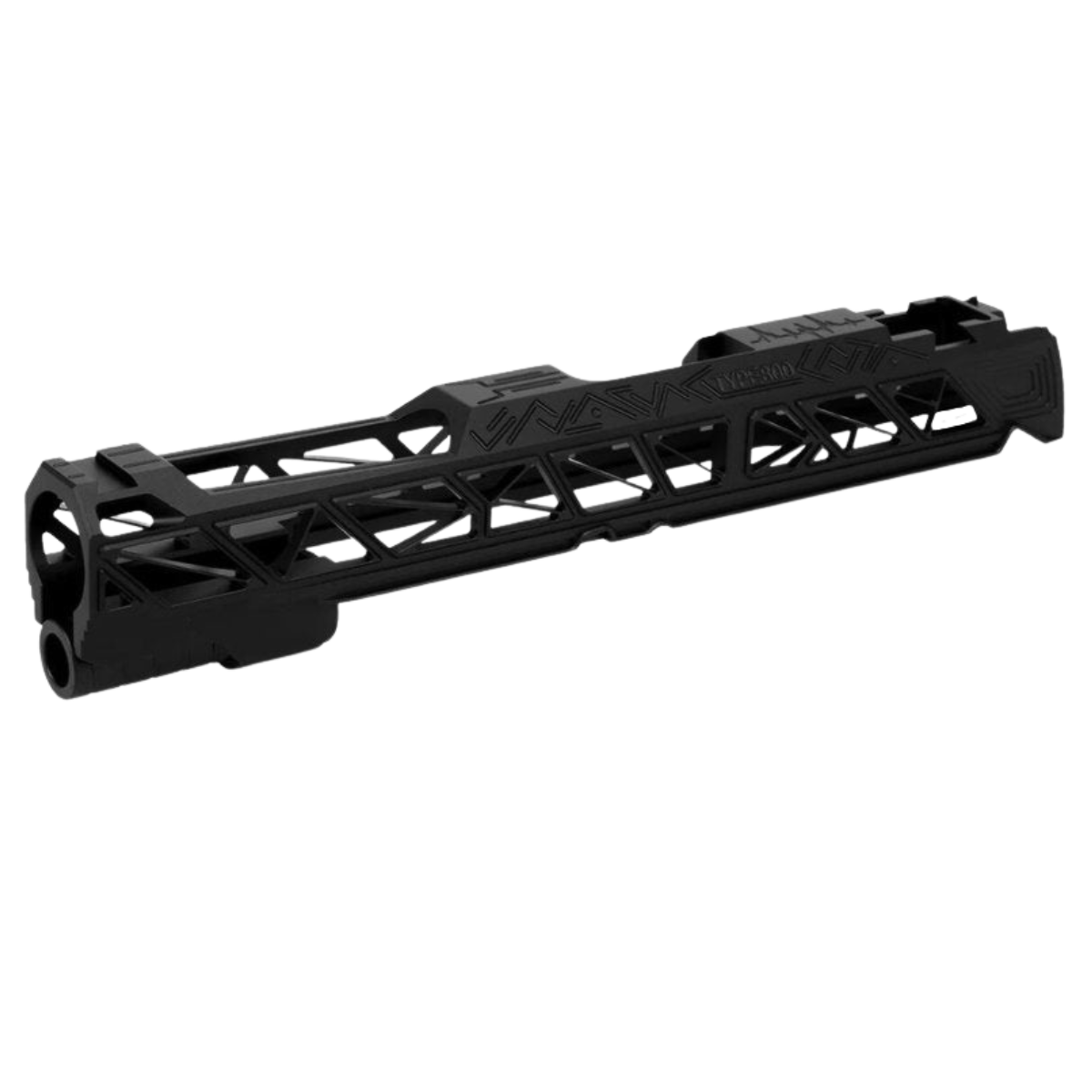
Most players start with the slide because it changes both performance and looks in one go. A lightweight aluminium slide can improve cycle speed, reduce reciprocating mass and clean up the whole build. The mistake is assuming the slide works in isolation.
On a Tokyo Marui-based Hi-Capa, the slide sits at the centre of a moving system. Recoil spring strength, hammer spring tension, gas type, blowback unit fit, outer barrel and even magazine condition all affect how well that new slide runs. If one part is out of balance, you can end up with sluggish return, poor gas efficiency, inconsistent lock-back or premature wear.
That is why the best slide upgrade starts with a goal. For a CQB or speedsoft build, you are probably chasing faster cycling and lower recoil. For a skirmish sidearm, you may want a tougher external setup with reliable lock-back and stable operation across changing temperatures. If the build is mainly aesthetic, you still need it to run properly, because a premium slide is wasted on a pistol that short-strokes itself into stoppages.
Start with platform compatibility
Before buying anything, confirm the base gun. Most aftermarket Hi-Capa slides are designed around Tokyo Marui spec. That matters because tolerances across WE, Army Armament and other clones can vary enough to turn a simple install into a fitting job.
Even within TM-spec parts, there is no guarantee of true drop-in fit. Airsoft tolerances are not firearm tolerances, and premium slides are often machined tightly. That is generally a good thing for feel and consistency, but it means you should expect some hand fitting rather than forcing parts together and hoping they bed in.
The key interfaces are the frame rails, the blowback unit, and the outer barrel. If your existing internals are worn, a new slide can expose those issues quickly. A pistol that ran acceptably with a loose stock slide may start binding once tolerances tighten up.
Choose the right slide for the build
The biggest decision is weight. A lightweight slide usually gives the crispest cycle and best response, especially when paired with a sensible recoil setup. That is why cut slides and aggressively lightened designs are common on performance builds.
The trade-off is that very light slides can become fussy if the spring setup is too strong or the gas is too hot. You can also lose some of the more solid recoil feel that certain players prefer. Heavier slides look great and can feel substantial, but they demand more from the gas system and usually need more careful tuning to avoid sluggish cycling.
Material and machining quality matter as much as weight. A well-made aluminium slide from a recognised Hi-Capa manufacturer will usually save time on fitment and wear better over the long term. Cheap slides often cost more in the end because you pay for them twice - once at checkout, then again in replacement parts and troubleshooting.

What else you should upgrade with the slide
If you are serious about how to upgrade hi-capa slide setups properly, plan on refreshing more than one part. The slide itself is only one piece of the cycle.
Blowback unit and nozzle
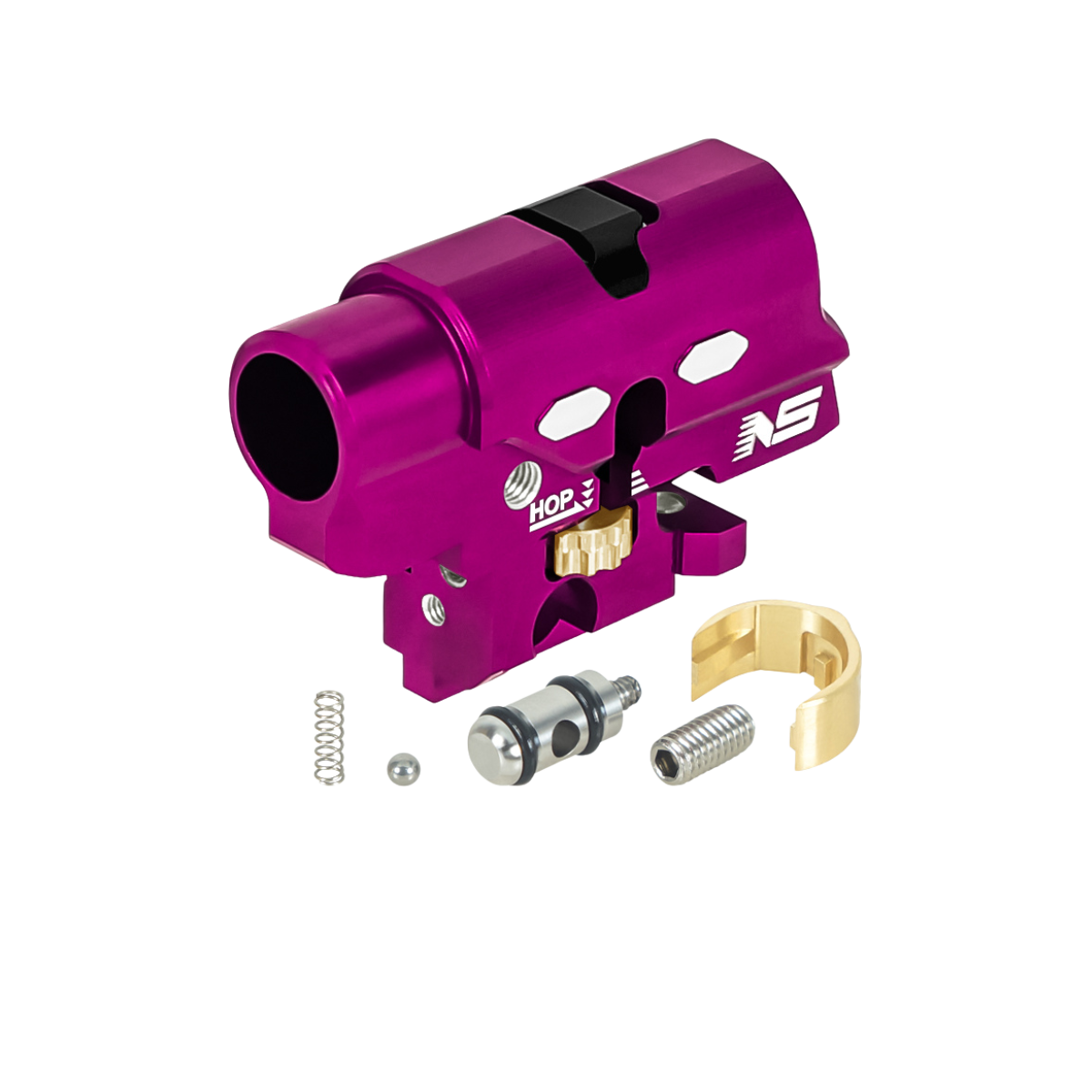
A quality blowback unit helps reduce weight and keep the cycling action consistent. If your stock unit is tired, warped or poorly fitted in the new slide, you may get drag or inconsistent movement. The nozzle should move freely without excess play. If it sticks, the pistol will tell you straight away with feeding issues or weak return. That being said, if your nozzle is sticking in your hop unit, this is a sign of a good seal.

Recoil spring and guide plug
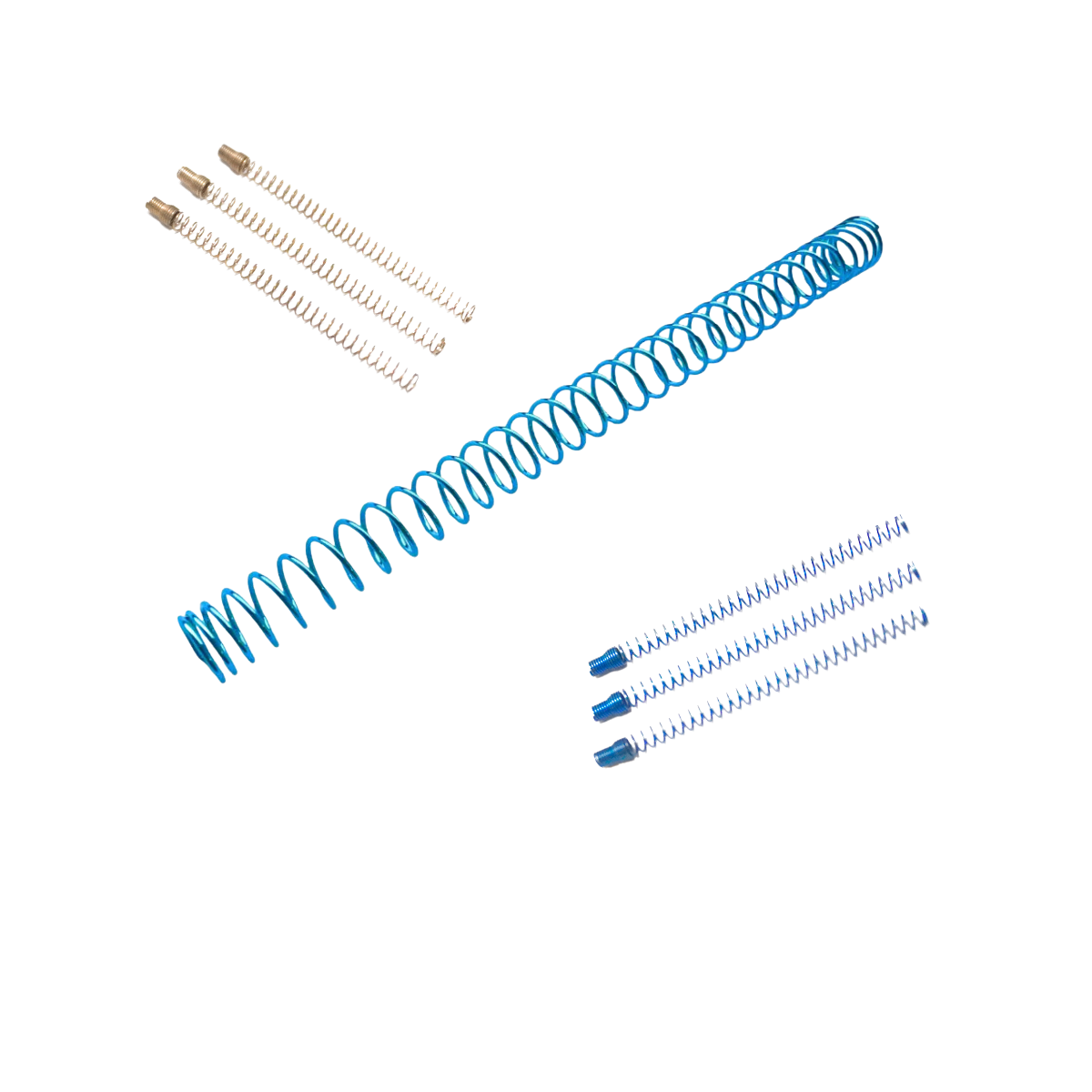
This is where many builds go wrong. Players fit a lightweight slide, then add an overly strong recoil spring because stronger sounds better. Usually it is not. Too much spring can slow the rearward stroke, cause odd cycling behaviour and increase stress on the system. With a lighter slide, you often want a balanced spring setup rather than the heaviest option on the shelf. 120% recoil springs are the most used, and 140% nozzle springs, this usually gives you a great consistent balance - again this is slide and build dependant.
Rear sight or optic plate
Sight fitment matters more than people think. A poorly fitted rear sight can sit proud, shift under recoil or interfere with smooth cycling if tolerances are off. If you are running an optic setup, account for the extra weight and how it changes the balance of the slide. Rear sights fitted incorrectly can alter the Blowback unit (BBU) position and cause all sorts of issues.
Outer barrel and hop alignment
The new slide still has to track cleanly over the outer barrel. If when racking it feels rough over the outer barrel then slide can hang during return. That can look like a spring issue when it is actually barrel fitment. The hop unit also needs to sit consistently so the nozzle enters cleanly every cycle.
Fitting the slide the right way
Take your time here. Dry fit the stripped slide to the frame first and check rail engagement. You are looking for smooth movement with no obvious grinding or hard stop points. If it binds badly, do not force it. Identify where the contact is happening and correct only that area.
With aftermarket Hi-Capa parts, light fitting is normal. Heavy filing is usually a sign something is wrong, either with compatibility or with your approach. Remove tiny amounts of material, test frequently and keep the work even. Once the slide moves cleanly on the frame, install the blowback unit and re-check movement before adding the outer barrel assembly.
Common mistakes when upgrading a Hi-Capa slide
The fastest way to waste money is to chase symptoms instead of balance. A pistol cycles slowly, so the spring gets changed. Then the nozzle gets blamed. Then the magazine. Sometimes the problem started with a poorly fitted slide from the beginning.
Another common mistake is mixing random parts with no plan. Premium slide, budget nozzle, unknown recoil spring, worn magazine and clone frame tolerances are not a recipe for a clean build. The more performance-focused the setup becomes, the less forgiving it is.
There is also the issue of gas choice. A slide that runs brilliantly on one gas in mild weather may become violent in summer or sluggish in colder conditions. That does not mean the build is bad. It means the system needs to be tuned for realistic use, not just tested once at room temperature. This can also be the same for HPA, but obviously the temperatures don't really have that much effect.

Reliability versus speed
Every Hi-Capa builder eventually chooses where the pistol sits on that line. A very fast, very light setup can feel superb on a well-maintained competition-style build, but it may need more attention and more careful parts matching. A slightly calmer setup often gives better all-round reliability for regular skirmish use.
That is the real answer to how to upgrade hi-capa slide performance - match the build to the job. If your pistol has to work every weekend in UK conditions, reliability has more value than chasing the absolute lightest possible cycle. If the build is for speedsoft or a tuned indoor setup, you can push the balance further.
When to replace supporting parts
If the base pistol has seen heavy use, the slide upgrade is a good moment to inspect the loading nozzle, piston head, recoil spring, rear sight fitment and frame rails. Worn magazines can also make a good top end look worse than it is. Gas output inconsistency, weak seals and follower issues all show up quickly once you start tuning for performance.
This is also where buying from a specialist retailer helps. A focused parts range makes it easier to keep the build within known Hi-Capa standards instead of mixing whatever happens to be in stock. For players who want recognised aftermarket brands without waiting on overseas orders, that saves both time and guesswork.
Is a slide upgrade worth it?
If your goal is better response, cleaner aesthetics and a more tailored Hi-Capa, yes - provided you treat it as a system upgrade rather than a cosmetic swap. A good slide can transform how the pistol feels in hand and on target. A bad install can make even premium parts behave like rubbish.
Go in with a clear use case, choose proven TM-spec components, fit everything patiently and avoid over-springing the build. The best Hi-Capa upgrades are rarely the most complicated. They are the ones that cycle cleanly, lock back properly and keep doing it long after the first test mag.
Get that balance right and your slide upgrade stops being a parts-flex purchase. It becomes the point where the whole pistol starts working the way it should.

Leave a comment
All comments are moderated before being published.
This site is protected by hCaptcha and the hCaptcha Privacy Policy and Terms of Service apply.